


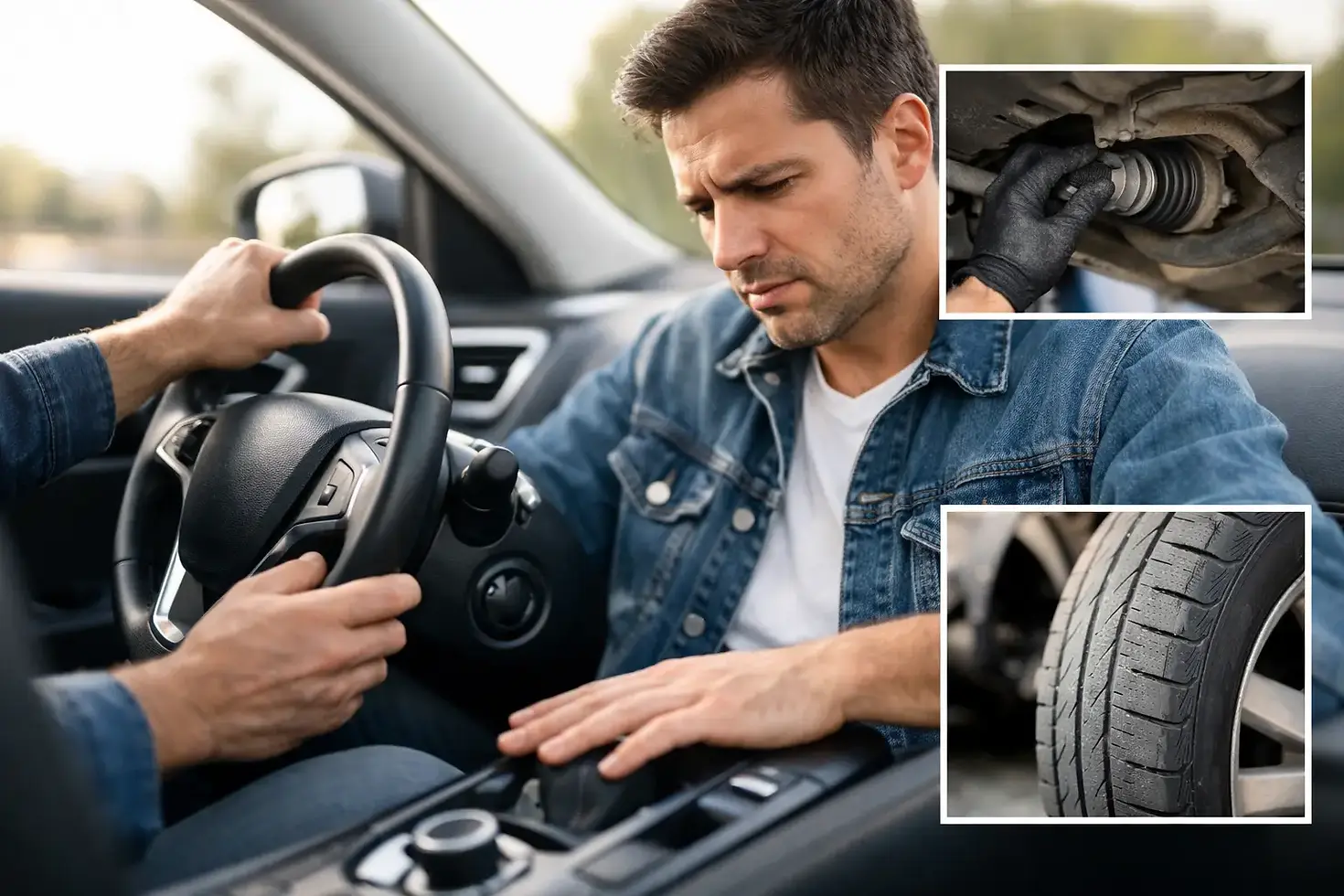
Why Is My Car Vibrating? Causes and Next Steps
A vibration can turn a normal drive into a stressful one fast. If you are asking, “why is my car vibrating,” the timing and location of the shake can tell you a lot. A steering wheel that trembles at highway speed points to a different group of problems than a vehicle that shakes while idling at a red light or when you press the brakes.
Some vibrations are minor maintenance issues. Others can affect braking, steering, tire safety, or the engine's ability to run properly. Paying attention now can help you avoid a larger repair and get back to driving with confidence.
Why Is My Car Vibrating at Different Times?
The most useful clue is when the vibration happens. Try to notice whether you feel it in the steering wheel, seat, floorboard, brake pedal, or throughout the entire vehicle. Also notice whether it gets worse with speed, braking, turning, acceleration, or when the engine is sitting still.
Vibrating at highway speeds
A vibration that starts around 45 to 70 mph is often related to the tires and wheels. An out-of-balance tire is one of the most common causes. Tires are balanced with small weights so they rotate evenly. If a weight falls off, the tire can wobble as speed increases, creating a noticeable shake in the steering wheel or seat.
A bent wheel, damaged tire, uneven tread wear, or a tire that is out of round can create a similar feeling. Georgia roads, potholes, curbs, and road debris can all damage a wheel or tire without making the problem obvious at first glance.
If the steering wheel vibrates most strongly, the issue may be toward the front of the vehicle. If you feel it more through the seat or floor, a rear tire or wheel may be involved. That is only a starting point, though. A proper inspection is the best way to identify the source instead of replacing parts based on a guess.
Vibrating when you apply the brakes
If your car drives smoothly until you brake, worn or uneven brake components are a likely concern. Brake rotors can develop uneven surfaces from heat, wear, or repeated hard braking. When brake pads clamp onto an uneven rotor, you may feel a pulse through the brake pedal or a shake in the steering wheel.
Brake vibration should not be ignored. It does not automatically mean the vehicle will lose braking power, but it can indicate wear that will continue to get worse. A technician should inspect the pads, rotors, calipers, brake hardware, and related suspension parts to determine what is actually causing the problem.
Vibrating while idling or stopped
A car that shakes while parked, sitting at a stoplight, or idling in drive may have an engine-related issue. Rough idle vibrations can come from worn spark plugs, failing ignition coils, fuel delivery concerns, vacuum leaks, dirty intake components, or an engine misfire.
Motor mounts are another possibility. These mounts support the engine and help absorb normal engine movement. When a mount becomes worn or damaged, more vibration can travel into the cabin, especially while stopped with the engine running.
If the check engine light is flashing along with the vibration, stop driving when it is safe to do so and have the vehicle inspected promptly. A flashing light can signal an active misfire that may damage the catalytic converter if you keep driving.
Vibrating during acceleration
A shake that appears mainly when accelerating can point to drivetrain or engine performance concerns. Depending on the vehicle, possible causes include a worn CV axle, damaged driveshaft, failing universal joint, transmission issue, engine misfire, or loose engine mount.
Front-wheel-drive vehicles commonly use CV axles to transfer power to the wheels. A worn inner CV joint can sometimes create a shudder under acceleration, while a damaged outer joint may click or pop during turns. Rear-wheel-drive and four-wheel-drive vehicles may experience vibration from driveshaft or differential-related issues.
Because these systems are connected to how power reaches the wheels, it is wise to schedule an inspection soon rather than waiting for the vibration to become severe.
Vibrating when turning
Vibration during turns can be tied to tires, wheel bearings, steering components, suspension parts, or CV joints. You may also hear humming, grinding, clicking, or clunking noises. A worn wheel bearing, for example, can create a growling sound that changes when the vehicle turns or shifts weight from one side to the other.
Steering and suspension parts such as tie rods, ball joints, control arm bushings, and struts affect how your vehicle tracks down the road. Wear in these areas may cause shaking, wandering, uneven tire wear, or a loose feeling in the steering wheel.
Common Causes of Car Vibrations
While the exact cause depends on your vehicle and symptoms, several problems show up again and again in the shop.
Tire balance and tire condition are high on the list. Tires can lose balance over time, develop uneven wear, separate internally, or sustain impact damage. A tire may look mostly normal while still causing a strong vibration, which is why a close inspection matters.
Wheel alignment is different from wheel balancing, but it can contribute to the problem. Poor alignment usually causes uneven tire wear and pulling more than an immediate shake. Once tires wear unevenly, however, the vibration may become more noticeable.
Brake rotor and pad wear is another frequent source, especially when shaking happens only under braking. A complete brake inspection is safer than assuming rotors are the only issue.
Suspension and steering wear can cause vibrations, clunks, poor handling, and unstable tire wear. These parts work together, so a single worn component can place extra stress on others.
Engine and transmission issues tend to be more noticeable at idle or under acceleration. A tune-up concern may be relatively straightforward, while a driveline issue can require more in-depth diagnosis. The right repair depends on testing, not just the symptom.
When a Vibration Means Stop Driving
Not every vibration requires a tow truck, but certain signs should be treated as urgent. Pull over safely and arrange professional help if you notice any of the following:
A sudden, severe shake that makes it hard to steer or control the vehicle
A flat tire, bulging tire, visible tire damage, or a wheel that appears loose
Smoke, a burning smell, grinding sounds, or a brake pedal that feels unsafe
A flashing check engine light, especially with rough running or loss of power
Strong vibration after hitting a pothole, curb, or road debris
Do not try to diagnose a loose wheel, brake issue, or damaged tire by continuing to drive on it. The risk is not worth saving a little time.
What You Can Check Before Your Appointment
You do not need to be a mechanic to gather helpful information. Before bringing your car in, think through when the vibration began and whether anything happened beforehand. Did you recently hit a pothole? Have new tires installed? Notice a brake noise? Have maintenance performed? These details help narrow down the inspection.
You can also look for obvious concerns such as low tire pressure, a visibly damaged tire, missing wheel cover, or fluid leaks. Avoid placing yourself underneath the vehicle or attempting repairs if you are unsure. Tire pressure should be set according to the vehicle manufacturer's door-jamb label, not the maximum pressure printed on the tire sidewall.
If the vibration is mild and only occurs at a particular speed, it is still worth scheduling service. Small issues often become more expensive when they cause additional tire wear or damage related components.
Get an Honest Diagnosis for the Shake You Feel
Vibration diagnosis is not about throwing parts at a car. It takes a road test when appropriate, a careful look at the tires and wheels, and inspection of the brakes, steering, suspension, engine, and drivetrain based on your symptoms.
At Frankys Real Auto, our team can help identify what is causing the vibration and explain the recommended repair clearly. Whether the answer is a tire balance, brake service, suspension repair, or engine diagnosis, you deserve straight answers about what your vehicle needs and why.
Your car should feel steady, predictable, and safe on the road. If it does not, trust that feeling and have it checked before the next commute, family trip, or weekend errand turns a small shake into a bigger interruption.


Comments