


What a Full Service Auto Shop Can Do for You
Your car rarely picks a convenient time to need attention. A warning light appears before work, the brakes start squeaking during school drop-off, or the air conditioning quits in the middle of a Georgia summer. A full service auto shop gives you one dependable place to bring those problems, along with the routine care that helps prevent them in the first place.
For drivers in Norcross, Loganville, and nearby communities, that convenience matters. You need a vehicle that starts, stops, cools, handles, and gets you where you need to go. You also deserve straight answers about what your vehicle needs now, what can wait, and what the repair will involve.
What Does a Full Service Auto Shop Handle?
A full service auto shop is built to care for more than one part of your vehicle. Rather than visiting one business for an oil change, another for brake work, and a third for detailing, you can work with a team that understands your car's overall condition and service history.
That does not mean every shop performs every job in exactly the same way. Service capabilities, technician training, diagnostic equipment, and turnaround times can vary. The right shop should be clear about what it handles in-house, explain its recommendations in plain language, and treat your vehicle like more than another ticket in the line.
At Frankys Real Auto, the goal is to make vehicle care less stressful by bringing mechanical repair, preventive maintenance, performance-minded work, and appearance services together under one trusted roof.
Routine Maintenance That Protects Your Investment
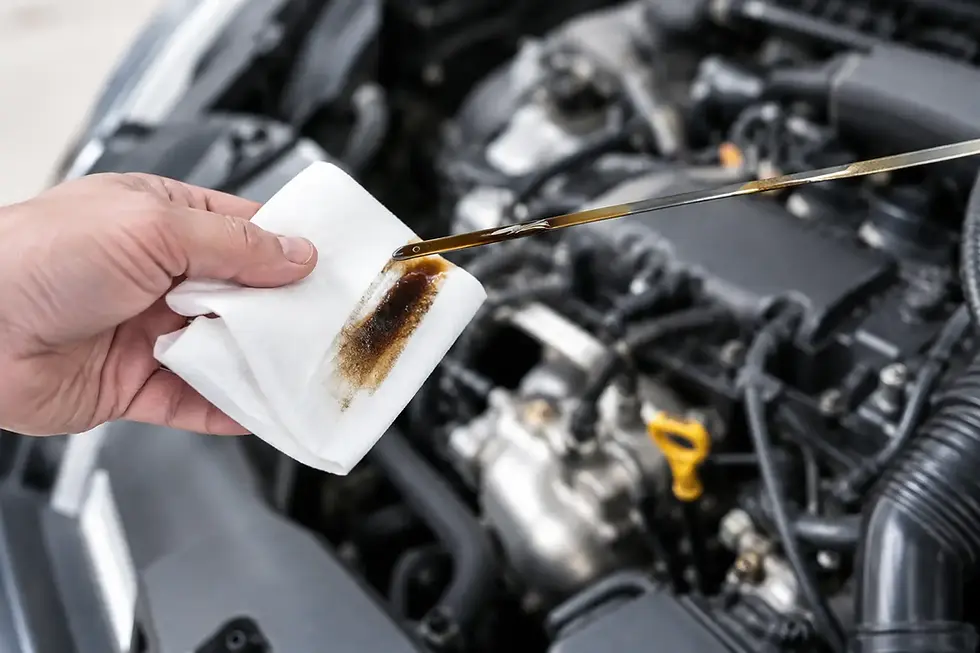
Maintenance is not glamorous, but it is one of the smartest ways to avoid unexpected repairs. Regular oil changes, fluid checks, tire inspections, tune-ups, filter replacements, and battery testing give technicians a chance to catch wear before it leaves you stranded.
A good maintenance visit should not feel like a sales pitch. Your technician should explain the condition of the vehicle, point out safety concerns, and help you plan for upcoming services based on your vehicle's mileage, age, driving habits, and manufacturer recommendations.
For example, a commuter putting miles on I-85 may need different attention than a family vehicle used mainly for short local trips. Short drives can be harder on engine oil and batteries, while heavy highway mileage can bring tire, brake, and suspension wear into focus. There is no one-size-fits-all service schedule for every driver.
Major Repairs Without the Runaround
When something is wrong, most drivers want two things: an accurate diagnosis and an honest estimate. A full service shop can inspect and repair many of the systems that keep your vehicle safe and dependable, including engines, transmissions, brakes, steering, suspension, cooling systems, electrical components, and exhaust systems.
The key word is diagnosis. A check engine light does not automatically mean an expensive repair, and a noise from the front end does not always mean the same problem on every vehicle. Skilled technicians use testing, experience, and a careful inspection to find the cause before recommending a repair.
Ask questions when your vehicle is being evaluated. What is causing the problem? Is it a safety issue? What happens if you wait? Are there multiple repair options? A trustworthy shop welcomes those questions because informed customers can make better decisions.
Why One Full Service Auto Shop Makes Life Easier
The biggest advantage is not simply checking more services off a list. It is continuity. When the same shop sees your vehicle for oil changes, brake inspections, cooling system service, and larger repairs, the team has a better opportunity to notice patterns over time.
Maybe your tires are wearing unevenly because an alignment issue is developing. Maybe a small coolant leak has become more noticeable since your last visit. Maybe your brake pads are still safe, but the rotors are showing wear worth monitoring. Knowing the vehicle's history can make those conversations more useful and less confusing.
It also saves time. Instead of calling around every time a new issue comes up, you have a team that already knows the car and can help you prioritize the work. For busy parents, commuters, and anyone managing more than one vehicle, that relationship can take a lot of pressure out of car ownership.
Mechanical Care and Appearance Care Work Together
A vehicle can run well and still need some attention on the outside or inside. Paint oxidation, stained upholstery, cloudy finishes, dull trim, and sun damage can make a vehicle feel older than it is. For many owners, appearance care is not just about looks. It helps protect the vehicle and makes daily driving more enjoyable.
Detailing, paint restoration, ceramic coating, upholstery care, and properly positioned window tint can be valuable services when performed with care. The best choice depends on your vehicle, budget, and goals. A ceramic coating, for instance, can add protection and make washing easier, but it is not a replacement for regular washing or a cure for damaged paint. Paint correction can improve many surface flaws, but deep scratches may require a different solution.
Having mechanical and appearance services available from one business can be especially helpful when you are preparing to sell a car, restoring a vehicle you plan to keep, or simply trying to protect a newer purchase.
How to Choose a Shop You Can Return To
Finding a good auto repair shop should feel less like taking a gamble. Start by looking for a business that listens to your concerns and explains the next step clearly. You should never feel embarrassed for not knowing automotive terms or pressured into approving work you do not understand.
Experience and technician credentials matter, especially for complex diagnostics and major repairs. So does communication. Before approving work, make sure you understand the estimate, the repair being recommended, and any maintenance concerns that may need attention later.
A dependable shop also respects your time. Repairs can take longer when a problem is complicated or a needed part is unavailable, but you should be kept informed. Clear updates make a difficult repair easier to manage.
Watch for the small signs of good service: technicians who inspect carefully, advisors who answer direct questions, recommendations that make sense for the condition of your vehicle, and a team that wants to earn your next visit instead of just today's invoice.
Do Not Wait for a Breakdown
Some problems should be checked right away. A flashing check engine light, overheating, brake grinding, a burning smell, major fluid leaks, hard steering, or a vehicle that pulls sharply while braking can point to safety or reliability concerns. Continuing to drive may turn a manageable repair into a more expensive one.
Other concerns may not be urgent, but they still deserve attention. A light vibration, slow crank at startup, weak air conditioning, squealing belt, or recurring dashboard warning can be easier to repair when addressed early. Waiting is sometimes reasonable, but it should be a decision made with clear information, not a hope that the issue disappears.
Your vehicle works hard for your family, your job, and your everyday plans. Give it a shop that treats honest advice, quality work, and your peace of mind as part of the service. When something feels off, schedule an inspection and get answers before a small concern has the chance to interrupt your day.


Comments