


Performance Tune Benefits for Your Daily Driver
A performance tune can make a daily driver feel noticeably more responsive without changing the vehicle you rely on for work, school runs, errands, and Georgia traffic. The real performance tune benefits are not always about chasing the biggest horsepower number. For many drivers, the value is smoother acceleration, better throttle response, stronger pulling power, and a car that feels more in step with the way they drive.
Still, a tune is not a one-size-fits-all upgrade. The right approach depends on your vehicle’s condition, engine type, mileage, maintenance history, fuel requirements, and goals. A trustworthy shop should start by making sure the vehicle is healthy, then explain what a tune can realistically accomplish.
What a Performance Tune Actually Changes
Most modern vehicles are controlled by an engine computer, often called an ECU or PCM. That computer manages how the engine uses fuel, air, ignition timing, boost pressure on turbocharged engines, transmission behavior in some vehicles, and other operating settings.
A performance tune adjusts certain factory calibration settings within safe limits for the vehicle and its supporting parts. Manufacturers build factory programming to work across many climates, fuel qualities, driving habits, and ownership situations. That broad calibration leaves room for improvement in some vehicles, especially when the driver has specific needs or has added compatible performance parts.
A tune is different from a traditional tune-up. A tune-up generally refers to maintenance items such as spark plugs, filters, ignition components, and inspections. Those services help restore proper operation. A performance tune modifies the vehicle’s software calibration to change how it responds and performs. Both can matter, and maintenance should always come first.
Performance Tune Benefits Drivers Notice First
The most common improvement drivers feel is sharper throttle response. Factory throttle programming can be conservative, especially on newer vehicles. After a properly selected tune, the engine may respond more quickly when you press the accelerator. That can make merging onto I-85, passing on a two-lane road, or pulling away from a stop feel more confident.
Many vehicles also gain usable torque in the middle of the RPM range. Torque is the pulling force that helps a vehicle accelerate without feeling strained. For a commuter car, SUV, truck, or family vehicle, stronger mid-range torque can be more useful than peak horsepower that only appears near redline. You may notice it when climbing hills, carrying passengers, or towing within the vehicle’s rated capacity.
On certain engines, particularly turbocharged models, a tune can provide a more substantial change because it may optimize boost and related engine controls. Naturally aspirated engines can benefit too, but the gains are often more modest. Honest expectations matter. A shop that promises dramatic results from every vehicle is not giving you the full picture.
Some drivers also appreciate improved transmission behavior when their vehicle supports calibration changes. The transmission may hold gears more appropriately, shift with more intent, or reduce hesitation. However, transmission tuning must be handled carefully. More aggressive settings are not automatically better for every driver, vehicle, or transmission.
Better drivability can matter more than a dyno number
A dyno chart can be useful, but it does not tell the entire story. If your car feels delayed when entering traffic or sluggish with the air conditioning running, a tune that improves everyday response may be more valuable than a headline horsepower number.
The best result is a vehicle that feels predictable and comfortable to drive. A good calibration should not turn a dependable daily driver into something jerky, noisy, or difficult to manage in normal traffic.
Start With Vehicle Health, Not Software
Performance work should never be used to cover up an existing problem. If the check engine light is on, the engine is misfiring, the transmission is slipping, the cooling system is weak, or the vehicle has poor fuel pressure, tuning can make the problem worse or make diagnosis harder.
Before recommending a performance tune, a qualified technician should look at the basics. That includes checking for trouble codes, inspecting fluid condition, considering spark plug and ignition health, verifying that the intake and exhaust systems are working properly, and watching for overheating or boost leaks where applicable.
High-mileage vehicles are not automatically excluded from tuning, but they deserve a more careful conversation. A well-maintained vehicle with higher miles may be a reasonable candidate. A vehicle with deferred maintenance or active mechanical issues may need repairs first. Spending money on maintenance is not the less exciting choice when it protects the investment you already have.
At Frankys Real Auto, the goal is to help drivers make decisions that are right for both the vehicle and the budget. Sometimes that means discussing performance options. Other times, it means recommending the repair or preventive service that will give you a safer, more reliable car before any modifications are considered.
Fuel, Maintenance, and Driving Habits Still Matter
A tune is only as good as the conditions it is designed for. Some calibrations require premium fuel. If a tune is built around premium fuel but the vehicle is regularly filled with lower-octane gas, the engine may pull timing to protect itself and you may not get the expected results. In the wrong situation, that mismatch can contribute to poor performance or drivability concerns.
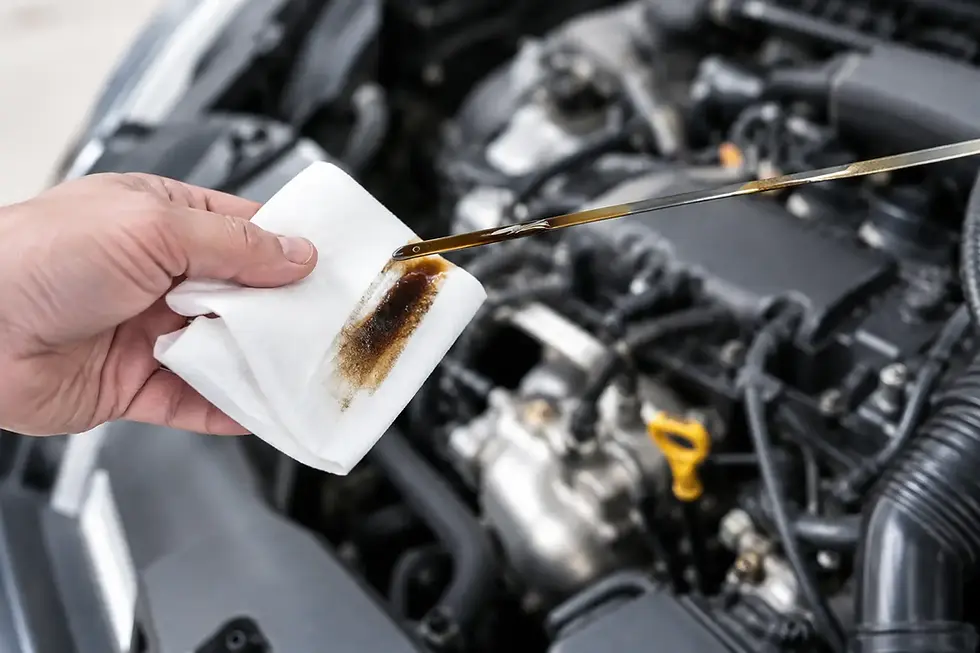
Maintenance also becomes more important when an engine is asked to produce more power. Fresh oil, the correct oil specification, quality filters, healthy spark plugs, and a sound cooling system are practical protections. Turbocharged vehicles and vehicles used for towing may need especially close attention because heat places added demands on engine components and fluids.
Your driving habits should guide the decision. A driver who spends most of the week in stop-and-go traffic may prefer a mild tune focused on smooth response. Someone who tows equipment, carries work gear, or travels long highway distances may care more about usable torque and steady power delivery. A car enthusiast may have different priorities, but even then, reliability should stay in the conversation.
The Trade-Offs to Understand Before Tuning
There are real performance tune benefits, but there can also be trade-offs. Fuel economy may improve in limited situations if the engine operates more efficiently and your driving style stays the same. In real life, many drivers use the added power more often, which can lower fuel mileage instead.
More power can add stress to components such as the clutch, transmission, tires, brakes, cooling system, and drivetrain. That does not mean every tune causes damage. It means the vehicle’s overall condition and intended use need to be considered before changes are made. If you are adding power to a truck that tows or a vehicle with worn components, supporting repairs and upgrades may be the responsible next step.
Warranty coverage is another factor. Depending on the vehicle, the tune, and the issue involved, modifications can affect warranty claims. It is wise to understand your manufacturer warranty and ask direct questions before moving forward. Emissions laws and inspection requirements also matter. A responsible performance plan should not involve removing or defeating emissions equipment used on public roads.
Insurance is worth checking as well. Some insurers require owners to report significant modifications. A quick conversation with your insurance provider can prevent surprises later.
How to Choose the Right Tune for Your Vehicle
The best tune is not necessarily the most aggressive option. It is the one that matches your engine, fuel, maintenance condition, and intended use. Be clear about what you want to improve: quicker response, towing support, smoother driving, stronger acceleration, or a performance build with properly matched parts.
Ask the shop what the tune changes, what fuel it requires, whether any maintenance should be completed first, and what trade-offs you should expect. You should also ask whether the calibration is designed for your exact vehicle configuration. Generic answers are a warning sign when your car is an expensive and necessary part of daily life.
A professional inspection gives you a better starting point than internet claims or social media videos. Two vehicles with the same make and model can need different recommendations because their mileage, maintenance, modifications, and driving demands are different.
If your vehicle feels underpowered, delayed, or simply less enjoyable than it should, start with an honest evaluation. A careful conversation and a proper inspection can help you decide whether a performance tune is a smart next move or whether your car will benefit more from getting its foundation back in shape first.


Comments