


Scheduled Maintenance vs Oil Change
You pull into a shop for an oil change, and then someone mentions your scheduled maintenance is due. That is usually the moment drivers start wondering if they are being upsold or if they are about to miss something their car really needs. When it comes to scheduled maintenance vs oil change, the difference is simple once you break it down, but it matters a lot for your engine, your safety, and your wallet.
An oil change is one service. Scheduled maintenance is the bigger plan. If you think of your vehicle like a long-term investment, the oil change is one regular task inside a much wider care schedule that keeps the whole car running the way it should.
What is the difference between scheduled maintenance vs oil change?
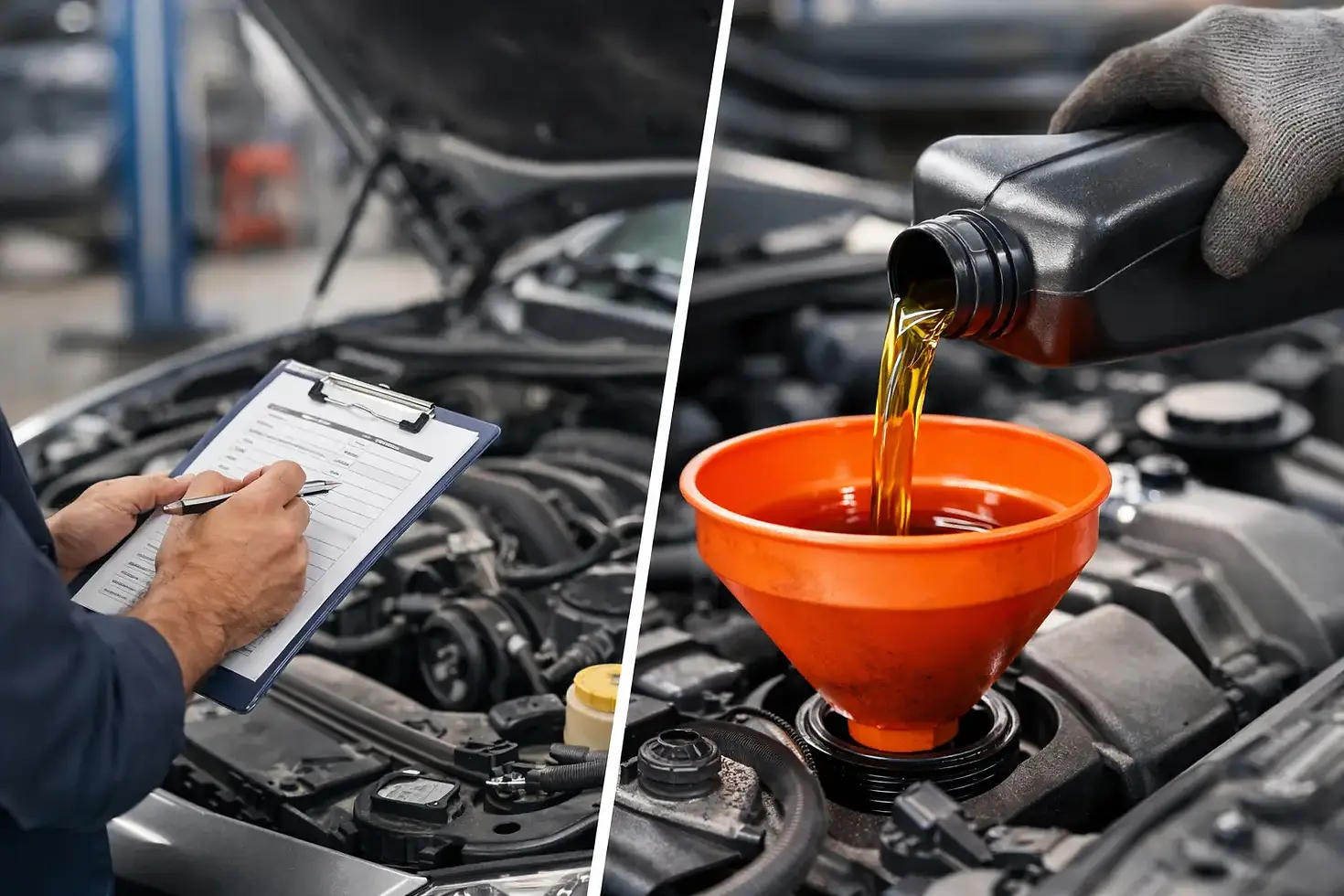
An oil change means draining old engine oil, replacing it with fresh oil, and usually installing a new oil filter. That service protects the engine by reducing friction, carrying away heat, and helping prevent sludge buildup. It is one of the most basic and most important services any vehicle needs.
Scheduled maintenance includes the oil change when the manufacturer calls for it, but it goes further. It follows the service intervals recommended for your specific vehicle based on mileage, time, driving conditions, and wear items. Depending on where your car is in its maintenance schedule, that could include tire rotation, brake inspection, fluid checks, air filter replacement, spark plugs, transmission service, coolant service, belts, hoses, battery testing, and more.
So if you want the shortest answer, here it is: an oil change is a single job, while scheduled maintenance is the full roadmap.
Why drivers often confuse them
A lot of shops and quick-service places market around oil changes because that is the service most people recognize. It is fast, familiar, and easy to price. Scheduled maintenance sounds broader, and for many drivers, broader can feel vague.
That is where trust matters. Sometimes a car really does only need an oil change that day. Other times, the oil change is just one piece of what is due based on mileage. If your vehicle is at 30,000, 60,000, or 90,000 miles, there is a good chance the manufacturer recommends more than fresh oil.
The confusion also comes from dashboard reminders. Many vehicles display a maintenance light that drivers assume means oil only. In some cars, that light is tied mostly to oil life. In others, it is part of a broader maintenance tracking system. The wording on the screen does not always tell the whole story, which is why checking the factory schedule matters.
What an oil change does for your vehicle
Fresh oil keeps engine parts lubricated so metal is not grinding against metal under high heat. It helps control wear, supports fuel efficiency, and gives your engine a better chance at a long life.
That said, an oil change does not inspect or replace everything else that ages over time. It will not fix worn brake pads, old coolant, a weak battery, cracked belts, or dirty filters unless those items are specifically checked and serviced. Drivers sometimes leave with clean oil and assume the whole vehicle is in great shape. That is not always the case.
Oil service intervals also vary more than people expect. Some cars need service closer to every 3,000 to 5,000 miles, while others can go longer with the right oil and driving conditions. Short trips, heavy traffic, extreme heat, towing, and neglected maintenance can shorten that interval.
What scheduled maintenance usually includes
Scheduled maintenance is built around what your vehicle manufacturer says should happen at certain points in the car's life. It is not guesswork, and it should not be a random list of services either.
At one visit, your scheduled maintenance may be fairly light - maybe an oil change, tire rotation, and inspection. At another interval, it may call for more involved work like replacing engine air filters, cabin filters, spark plugs, transmission fluid, brake fluid, or coolant.
This is where the "it depends" part comes in. A commuter putting easy highway miles on a newer sedan will not have the same maintenance needs as a family SUV dealing with stop-and-go traffic, school drop-offs, and summer heat in Georgia. The schedule starts with the manufacturer, but real driving conditions matter too.
A good shop explains both. They should tell you what the factory recommends and whether your driving habits put you in a severe-service category that changes the timing.
Scheduled maintenance vs oil change for cost
Many drivers choose the oil change because it feels more affordable in the moment. And sometimes that is the right choice if that is all your vehicle is due for. But if scheduled maintenance is being skipped over and over, the delayed cost can be much higher.
For example, replacing a filter or servicing fluids at the proper interval is usually far less expensive than dealing with overheating, transmission problems, poor fuel economy, rough performance, or premature engine wear later. Preventive maintenance is not about selling extra work. It is about handling smaller needs before they become bigger repairs.
That does not mean every recommendation is urgent. Some services are due now, some should be planned soon, and some can wait. Honest service means helping customers understand the difference rather than lumping everything together as an emergency.
When an oil change is enough
There are plenty of visits where an oil change is exactly what your car needs. If your vehicle is between major service intervals, has been maintained on schedule, and inspections do not show any concerns, then a straightforward oil service may be the correct call.
This is especially true for newer vehicles that are being kept up properly. Staying consistent with oil changes is one of the best habits a driver can have. It is simple, but it matters.
The key is not assuming that because the engine oil was changed, the rest of the maintenance schedule can be ignored. Oil service keeps one critical system protected. It does not replace a complete maintenance plan.
When scheduled maintenance should not be put off
If your owner's manual shows a mileage-based service is due, or your vehicle is showing signs like rough idling, reduced fuel economy, weak acceleration, squealing brakes, or poor cooling performance, it is time to look beyond the oil.
The same goes for vehicles with an unknown service history. If you bought a used car and are not sure what has been done, asking for a maintenance review is smart. You do not need to replace everything all at once, but you do need a clear picture of what is current, what is overdue, and what should be monitored.
For busy families and commuters, this is often where having one trusted shop makes life easier. Instead of guessing what that reminder light means or waiting for something to fail, you can get a straightforward answer based on your actual vehicle.
How to know what your car needs right now
Start with your owner's manual. That is the baseline for your scheduled service intervals. Then factor in how you actually drive. If your routine includes short trips, long idling, heavy loads, frequent traffic, or hot-weather driving, your car may need attention sooner than the standard schedule suggests.
Next, pay attention to timing, not just mileage. Some fluids and filters age with time even if you do not drive much. A low-mileage vehicle that sits often can still need maintenance.
Finally, ask for clarity. A good service advisor should be able to tell you what is due today, what is recommended soon, and why. If the explanation feels rushed or confusing, that is frustrating for anyone. Drivers deserve to understand what they are paying for.
At Frankys Real Auto, that is the kind of conversation people are looking for - honest, clear, and based on what is best for the car, not what sounds good on a ticket.
The better way to think about it
Instead of treating scheduled maintenance vs oil change like an either-or question, think of it as a timing question. The oil change is one recurring service your engine depends on. Scheduled maintenance is the full system that helps your whole vehicle stay dependable.
If you keep up with both, your car has a better chance of lasting longer, driving safer, and costing less over time. And if you are ever unsure what is actually due, the right shop will explain it in plain English, help you prioritize, and make sure you leave feeling taken care of instead of talked into something.
Your car does a lot for you every day. Giving it the right service at the right time is one of the easiest ways to keep your routine running without extra stress.


Comments