


Ceramic Coating vs Wax: Which Is Better?
Your car might look great the day it gets washed, then a week later the shine is gone, water stops beading, and the paint starts showing every bit of daily driving. That is usually when the ceramic coating vs wax question comes up. Most drivers are not asking for a showroom science lesson. They just want to know what protects the paint better, what lasts longer, and what makes sense for their budget.
Ceramic coating vs wax: the real difference
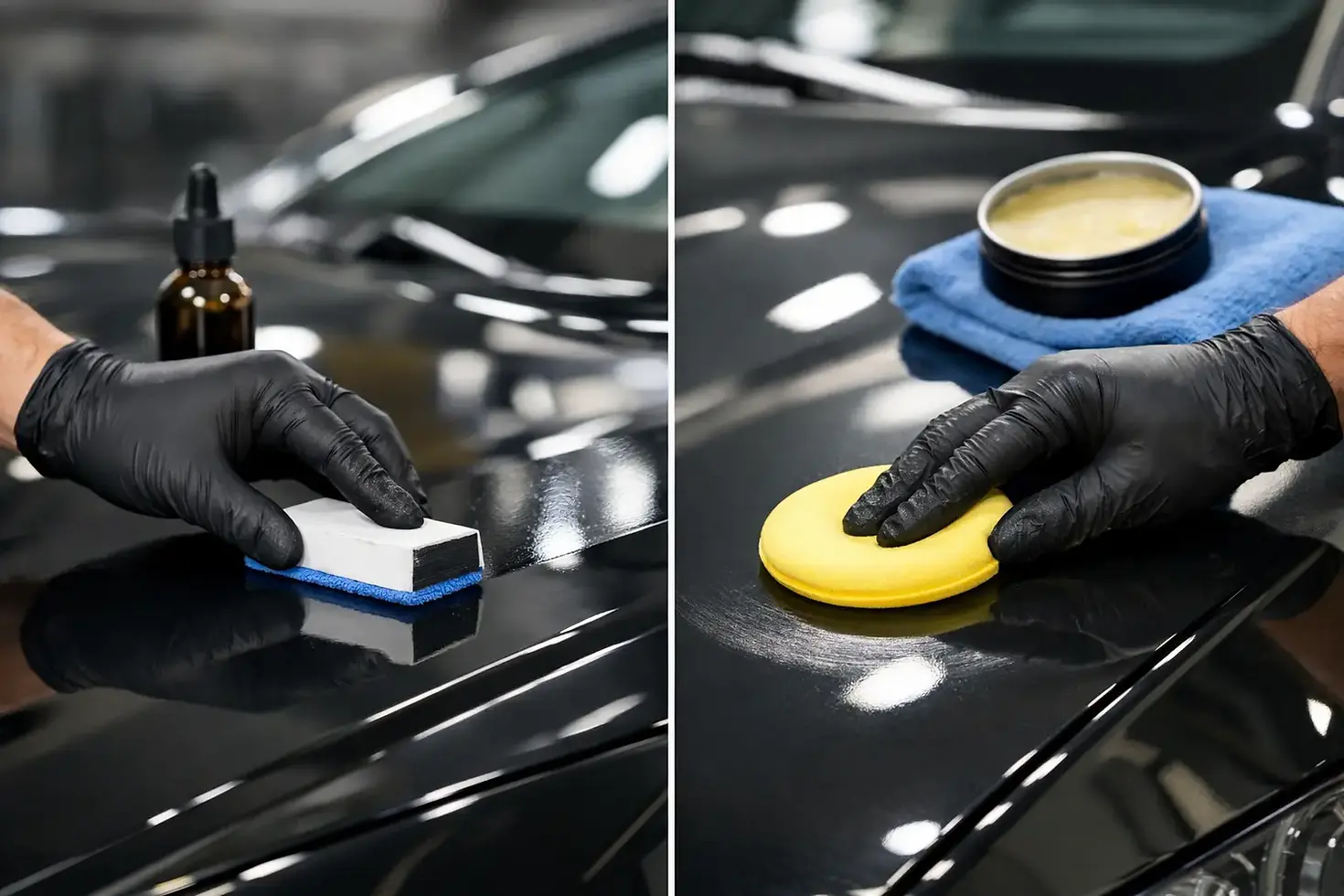
At the most basic level, wax is a temporary layer that sits on top of your paint and adds gloss, some water beading, and light protection. Ceramic coating is a more advanced protective layer designed to bond with the surface and last much longer.
That does not mean wax is useless or ceramic coating is right for every vehicle. It means they solve the same problem in different ways. Wax is a simpler, lower-cost option for drivers who do not mind reapplying protection often. Ceramic coating is a longer-term investment for drivers who want stronger durability and easier upkeep.
What wax does well
Wax has been around for a reason. It can make paint look rich and glossy, and it is a solid option for someone who enjoys regular car care. If your vehicle is parked in a garage, driven lightly, or you simply like waxing it every few weeks, wax can still do a good job.
A quality wax helps water bead up and can provide a small buffer against dirt, road film, and mild environmental exposure. It also tends to be the more affordable entry point. For some owners, that matters more than getting the longest lifespan possible.
The trade-off is durability. Heat, rain, sun, automatic car washes, and regular driving wear wax down fast. In Georgia, where strong sun and changing weather can be rough on exterior surfaces, wax often needs frequent reapplication to keep doing its job.
What ceramic coating does well
Ceramic coating is built for longer-lasting protection. Once properly applied to a prepared surface, it creates a more durable barrier than wax. That means better resistance to UV exposure, chemical contamination, water spotting, and the everyday grime that builds up from commuting and parking outside.
One of the biggest advantages is maintenance. A coated vehicle is usually easier to wash because dirt and water do not cling as easily. You still need to clean the car, but the process is less of a fight. For busy families, commuters, and anyone who wants their car to stay cleaner between washes, that convenience is a big reason ceramic coating makes sense.
It also helps preserve the look of the paint over time. That matters whether you plan to keep the vehicle for years or simply want it to hold its appearance and value better.
Durability is where the gap gets wide
If you compare ceramic coating vs wax on longevity alone, ceramic coating wins by a large margin. Wax may last weeks or, in some cases, a few months depending on the product and conditions. Ceramic coating can last years when the paint is prepared correctly and the coating is maintained the right way.
That longer lifespan is why ceramic coating often ends up being the better value for many drivers, even though the upfront cost is higher. With wax, you are paying less at one time but repeating the job over and over. With ceramic coating, you pay more once for a much longer service life.
Of course, longevity depends on proper prep and application. A rushed coating job over uncorrected paint will not give the same result as a professional service that includes paint evaluation and surface preparation.
Shine and appearance are a little more personal
Some drivers love the warm, soft glow that wax can give. Others prefer the crisp, glossy finish common with ceramic coating. Neither preference is wrong.
What matters more is the condition of the paint underneath. If the paint has swirl marks, oxidation, or other defects, no protective product will magically erase them. Protection works best when the surface is properly cleaned and corrected first. That is why professional prep matters so much. The coating or wax protects and enhances what is already there.
If your vehicle has faded or neglected paint, fixing the surface first usually makes a bigger difference than debating products.
Protection has limits, and that matters
This is where people sometimes expect too much. Ceramic coating is excellent protection, but it is not a force field. It does not make paint scratch-proof, and it will not stop rock chips. Wax also has limits, and those limits show up even faster.
What ceramic coating does better is resist UV damage, contamination, bird droppings, bug residue, and routine wash wear when compared with wax. That can make a real difference for vehicles that sit outside at work, at home, or in store parking lots all day.
For a daily driver, especially one that sees sun, pollen, rain, and road grime every week, that extra protection is often worth it.
Cost matters, but so does how you use your car
Wax is the cheaper option upfront. That is the main reason many drivers start there. If you are selling the car soon, driving an older vehicle with paint that is already heavily worn, or you simply want basic shine without a major investment, wax may be enough.
Ceramic coating costs more because the service is more involved. Proper washing, decontamination, paint correction if needed, and careful application all take time and skill. But that cost should be weighed against durability, appearance, and reduced upkeep.
A good question is not just, "Which costs less today?" It is, "What do I want from this vehicle over the next few years?" If you plan to keep the car, want to protect the finish, and prefer lower maintenance, ceramic coating usually gives you more in return.
Which option is better for different drivers?
If you enjoy hands-on car care and do not mind applying protection often, wax can still be a reasonable choice. It works best for owners who like the process and understand that the results are temporary.
If your car is a daily commuter, a family vehicle, a newer purchase, or something you want to keep looking sharp without constant rework, ceramic coating is usually the better fit. It is especially appealing for people who are tired of doing the same protection job again and again.
For work vehicles and SUVs that live outside, ceramic coating can also help simplify cleaning. That may not sound exciting, but when you have a busy week and the car still washes up easier, you notice the difference.
Professional application vs do-it-yourself
There are DIY waxes and DIY ceramic products on the market, and some of them can be decent. But there is a big difference between a quick store-bought solution and a professional-grade service.
Wax is generally forgiving. Ceramic coating is less forgiving because prep matters more, application matters more, and mistakes are harder to hide. If the paint is not corrected properly before coating, those flaws can stay visible under the protection.
That is why many drivers choose a professional shop for ceramic coating. You are not just paying for a product. You are paying for surface prep, trained eyes, proper technique, and a result that should actually last.
So, ceramic coating vs wax - which should you choose?
If you want lower upfront cost and do not mind frequent upkeep, wax can still serve you well. If you want stronger long-term protection, easier cleaning, and better durability for a vehicle you rely on every day, ceramic coating is the stronger option.
For most modern daily drivers, ceramic coating makes more sense than wax once you look past the initial price tag. It lasts longer, protects better, and helps keep the vehicle looking cared for with less effort over time. That said, the right answer still depends on your budget, the condition of your paint, and how long you plan to keep the car.
At Frankys Real Auto, we believe good car care starts with honest advice. If your vehicle only needs basic protection, you should hear that. If ceramic coating is the better fit, you should know why without any pressure. The best choice is the one that matches your car, your routine, and what gives you confidence every time you pull out of the driveway.
A clean, protected vehicle is not just about shine. It is about making daily driving feel a little better, and choosing protection that works for your real life.


Great comparison! This article makes it much easier to understand the differences between ceramic coating and wax, especially for anyone wanting better paint protection. Regular maintenance also plays a big role in keeping a vehicle looking its best. For professional care, check out Car Detailing Conway NH to keep your car clean, protected, and shining year-round.